Why Some Kaizer Chiefs Fans Felt Overlooked by the Latest Bafana Bafana Call-Up
Football supporters are known for their passion, loyalty and sometimes their unpredictability. Over the years, South African football has produced countless debates between rival supporters, but few expected a Bafana Bafana squad announcement to spark an unusual show of support for a foreign national team.
Yet that is exactly what happened after the latest South African national team call-up list was released.
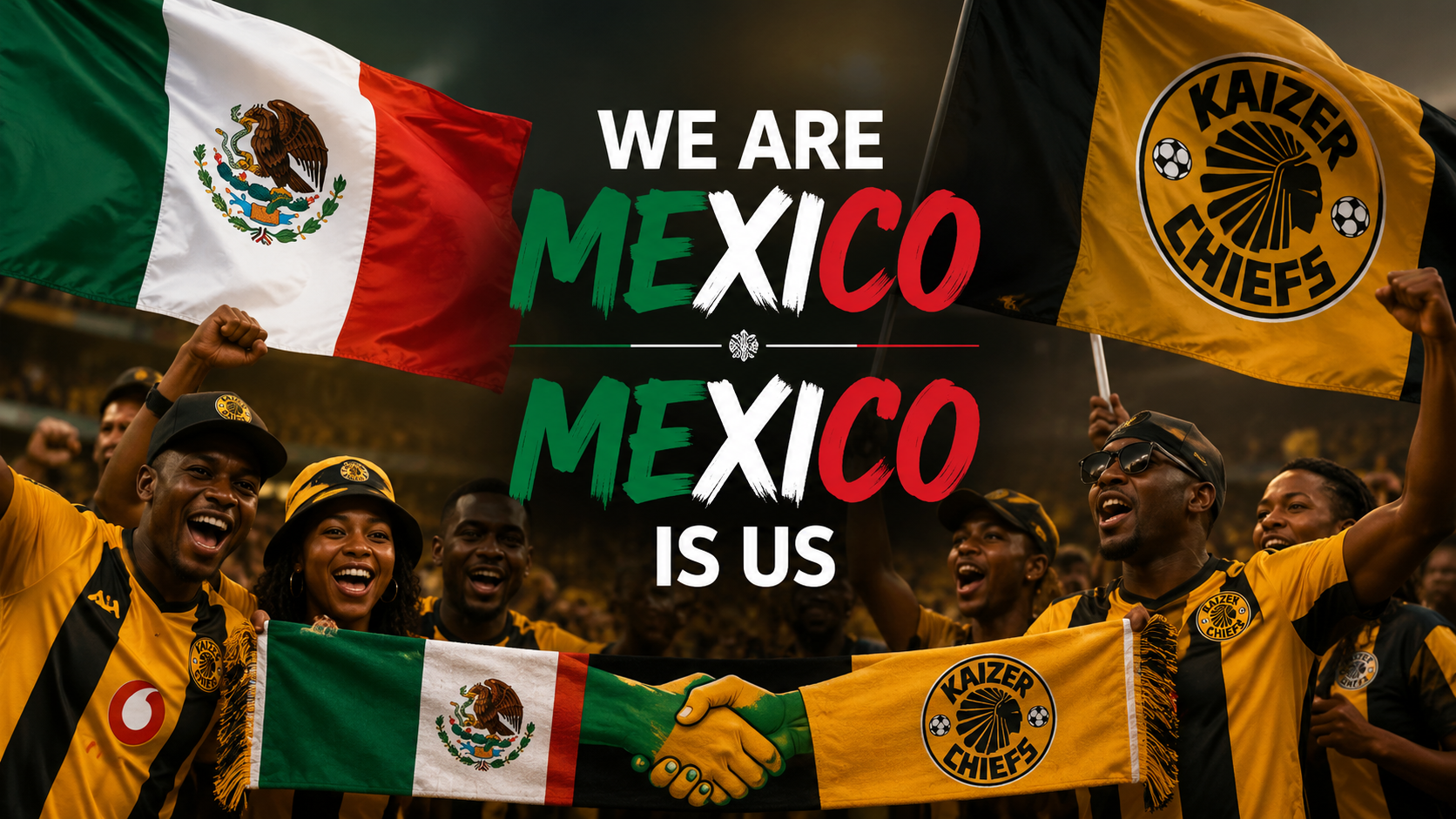
While Bafana Bafana prepares for another important international assignment, a section of Kaizer Chiefs supporters has found itself at the centre of a growing conversation online. Their frustration over the limited representation of Chiefs players in the national squad has led some supporters to publicly back Mexico ahead of the two nations’ upcoming meeting.
The situation has generated plenty of discussion across social media, with opinions divided among football fans and even among Kaizer Chiefs supporters themselves.
At the heart of the issue is the belief among many Amakhosi supporters that several players from their club deserved an opportunity to represent the national team.
Only one Kaizer Chiefs player, Bradley Cross, was included in the squad. While Cross has earned praise for his performances and many supporters welcomed his selection, some fans felt the club’s contribution to the national team should have been much greater.
The player whose omission sparked the strongest reaction was goalkeeper Brandon Petersen.
Throughout the season, Petersen delivered several impressive performances that helped Kaizer Chiefs remain competitive during difficult periods. His consistency between the posts earned praise from supporters who believed he had done enough to force his way into the national team conversation.
For those supporters, seeing only one Chiefs player included in the squad felt like a missed opportunity.
Football fans often view selections through the lens of their club loyalties. It is not uncommon for supporters to feel that their favourite players have been overlooked, especially when those players have enjoyed strong campaigns.
However, what made this situation different was the response that followed.
Instead of limiting their frustrations to discussions about squad selection, some Kaizer Chiefs supporters decided to take their feelings directly to Mexico’s official social media platforms.
As comments began appearing on Mexico’s Facebook page and other social channels, a curious trend started to emerge.
Supporters identifying themselves as Amakhosi fans posted messages expressing support for the Mexican national team. Some wished Mexico good luck ahead of the match, while others openly declared that they would be cheering for the visitors.
The comments quickly attracted attention.
What initially appeared to be a handful of isolated posts soon became a noticeable talking point among football followers. Screenshots circulated online as supporters debated whether club frustrations should influence support for the national team.
Some comments went even further.
Certain supporters offered tactical suggestions and observations about Bafana Bafana, essentially providing advice on how Mexico could approach the game. While many of these remarks were made in a light-hearted manner, they reflected the level of disappointment some supporters felt regarding the national team selection.
The reaction highlights the emotional investment that football supporters place in both club and country.
For many South Africans, supporting Bafana Bafana is viewed as separate from club rivalries. Regardless of whether a supporter follows Kaizer Chiefs, Orlando Pirates, Mamelodi Sundowns or another club, national team matches traditionally provide an opportunity for fans to unite behind one cause.
That is why the online reaction attracted so much attention.
Not everyone within the Kaizer Chiefs fanbase agreed with the protest.
Many supporters continued to back Bafana Bafana regardless of the squad selection. Their argument was simple: once players pull on the national jersey, club allegiances should be put aside in support of South African football.
Others felt that disappointment over player selections should not translate into support for the opposition.
The differing views revealed a fanbase divided on how to respond.
While some saw the social media campaign as a harmless way to express frustration, others believed it sent the wrong message ahead of an international fixture involving the national team.
The story took another interesting turn when Mexico appeared to notice the unexpected support arriving from South Africa.
As comments from Amakhosi supporters continued to appear on their social media pages, Mexico’s football representatives acknowledged the interaction publicly.
In a Facebook post directed at South African supporters, Mexico wrote:
“Hey there, people from South Africa! We appreciate your enthusiasm in the comments. Can’t wait to see you again in the World Cup opening match.”
The response immediately attracted attention.
For many supporters, it was surprising to see a major football nation acknowledge comments originating from a club-related debate thousands of kilometres away. The exchange added another layer to a story that had already become one of the more unusual talking points surrounding the international fixture.
The incident also demonstrates how modern football conversations have evolved.
Years ago, frustrations over squad selections would have been discussed primarily on radio shows, in newspapers or among friends. Today, social media provides supporters with direct access to clubs, players and national teams from around the world.
A local football debate can quickly become an international conversation.
Whether supporters intended it as a serious protest or simply a playful expression of frustration, their comments reached the intended audience and generated a response few expected.
At the same time, the debate has once again highlighted the challenges faced by national team coaches.
Every squad announcement inevitably creates winners and losers. Some deserving players receive opportunities, while others miss out despite strong performances. No matter who is selected, disagreements are almost guaranteed.
That reality is part of football everywhere.
For Kaizer Chiefs supporters who felt their players deserved greater recognition, the squad announcement became about more than one upcoming match. It became a discussion about representation, recognition and whether strong club performances are being adequately rewarded at national level.
As the match approaches, the attention will eventually shift from social media comments to events on the field.
Bafana Bafana will be focused on delivering a strong performance, while Mexico will be looking to showcase its own quality. The online exchanges may provide an entertaining subplot, but the result will ultimately be decided by the players once the whistle blows.
What remains clear is that football’s ability to spark emotion remains as powerful as ever.
A single squad announcement led to disappointment, debate, divided opinions, international social media interactions and even an unexpected response from one of the world’s most recognisable football nations.
Whether supporters choose to back Bafana Bafana, Mexico or simply enjoy the spectacle, the episode serves as another reminder that football stories are often shaped as much by the fans as by the players themselves.

Leave a Reply